Category Description
Supplements for Pet Hair Loss: A Vet-Recommended Guide to Healthy Skin and Coat
Supplements for pet hair loss are increasingly sought after by owners looking for natural supplement for dog shedding or a reliable cat hair loss supplement. While a certain degree of shedding is a natural part of a pet’s life cycle, known as the moulting season, excessive or patchy hair loss (alopecia) is often a sign of underlying health issues, ranging from nutritional gaps to serious diseases. According to veterinary data, over 30% of domestic dogs experience skin and coat issues annually.
A comprehensive approach to managing shedding involves first addressing the root cause with a veterinarian, and then incorporating pet skin and coat supplement options to support follicular health. This guide draws on veterinary principles and product expertise to help owners understand the role of anti hair loss supplement for pets and how to choose veterinarian-approved dog supplements to achieve a healthy, shiny coat.
Common Causes of Pet Hair Loss
Identifying the specific cause of pet hair loss is the essential first step before considering any supplements for pet hair loss. Veterinarian-approved dog supplements and treatments are only effective if they address the diagnosed issue.
Allergic Reactions
Allergies are considered the single most significant cause of severe hair loss in dogs, accounting for up to 70% of cases. Allergic reactions cause intense itching (pruritus), leading the pet to scratch, lick, or chew the affected areas, resulting in hair loss (alopecia). Allergies can be triggered by:
- Environmental factors: Pollens, dust mites, or mould.
- Food sensitivities: Reactions to specific ingredients such as certain animal proteins, grains, or dairy.
- Flea/Tick bites: An allergic reaction to flea saliva.
Parasites and Infections
External parasites are a common enemy of pet skin and coat health. Fleas, ticks, and mites (such as Demodex mange) feed on the pet's blood, causing severe irritation and scratching. This persistent scratching often leads to skin wounds, inflammation, and localized hair loss. Furthermore, open wounds or irritated skin can become infected by bacteria or fungi, leading to severe inflammation, redness, discharge, and subsequent hair loss, which may manifest as patchy hair loss.
Hormonal and Internal Imbalances
Internal diseases often result in symmetric or generalised hair loss.
- Hormonal Issues: Conditions like hypothyroidism (reduced thyroid function) or Cushing's syndrome (excess cortisol hormone) slow down the body's metabolism and disrupt the hair growth cycle.
- Reproductive Cycles: Female dogs may experience temporary hair loss due to hormonal fluctuations during pregnancy or lactation.
- Genetics and Stress: Some breeds are genetically predisposed to thinning hair. Additionally, stress or anxiety (e.g., changing environments) can cause pets to excessively lick or chew their fur, leading to hair thinning.
Nutritional Deficiencies
A diet lacking high-quality nutrients is a fundamental cause of poor coat quality. Deficiencies in key components such as quality protein, essential fatty acids (Omega-3s and Omega-6s), Zinc, and B vitamins often result in dry, brittle hair, dull coat, scaling (dandruff), and excessive shedding.
How Supplements Can Help
Once pathological causes (like infections or hormonal diseases) have been ruled out or are being actively treated under veterinary supervision, pet skin and coat supplements become a powerful tool for dog shedding control supplementation and enhancing pet fur growth supplement action.
Supplements primarily work to fill nutritional gaps that affect skin barrier function and keratin production. Research suggests that clinically tested pet supplements and appropriate dietary adjustments can be highly effective, contributing to improvement in up to 80% of non-natural hair loss cases.
Key roles of supplements:
- Reducing Inflammation: Essential fatty acids, particularly Omega-3s, exhibit anti-inflammatory properties that calm irritated skin caused by allergies or dryness. Reduced inflammation minimizes scratching and subsequent hair loss.
- Strengthening Follicles: Vitamins like Biotin and minerals like Zinc provide the necessary components for building strong keratin structures, leading to less brittle and more robust hair.
- Improving Gut Health: Certain supplements containing probiotics and prebiotics (synbiotics) work to balance the gut microbiota. Since a vast portion of the immune system resides in the gut, improving digestive health can reduce systemic inflammation and support the skin's ability to heal.
Best Ingredients for Coat Health
The best supplement for dog hair loss and maintaining a healthy coat generally incorporates a potent blend of vitamins, minerals, and essential fats.
Essential Fatty Acids (Omega-3s and Omega-6s)
Omega fatty acids, especially EPA and DHA (found abundantly in salmon oil), are cornerstones of skin health. They are widely recommended by veterinary nutritionists for controlling skin conditions and improving coat quality. They work as internal moisturisers, reducing dryness, scaling (dandruff), and itching. Regular intake of these high-quality natural pet supplement components can significantly enhance the coat's brilliance.
Biotin and B Vitamins
Biotin (Vitamin B7) is recognized as a key component for pet fur growth supplement formulas. It plays a crucial role in cell growth, fatty acid metabolism, and the synthesis of keratin, which is the main protein structure of hair. A deficiency in B vitamins can lead to fragile hair and dry skin. Merycare anti-shedding vitamin blend products often contain a full spectrum of B vitamins (B1, B2, B6, B12, Niacin, Folic Acid) to support overall conditioning and maintenance processes.
Zinc
Zinc is a vital mineral for maintaining a healthy epidermis and supporting the skin's protective barrier. Deficiency is linked to dry skin, hair thinning, and fragility. When formulating the best supplement for dog hair loss, Zinc is often combined with Biotin and Omega-3s to promote comprehensive epidermal health.
Synbiotics (Probiotics and Prebiotics)
Synbiotics, such as those found in specific Merycare pet hair loss supplement formulas, support the delicate balance between the gut and the skin. By ensuring healthy digestion, they maximise the absorption of essential vitamins, fatty acids, and minerals required for skin and hair formation. Furthermore, they modulate immune response, which is beneficial for managing allergic skin conditions.
Why Choose Merycare Supplements
Merycare offers a range of complementary feed supplements formulated for pet health, prioritizing high-bioavailability and high-quality ingredients. These products are crafted to meet nutritional needs and are designed to provide therapeutic support alongside conventional care, often incorporating high-quality natural pet supplement components. Many VSD products (which share brand affiliation and similar high standards) are labelled as veterinarian-approved dog supplements.
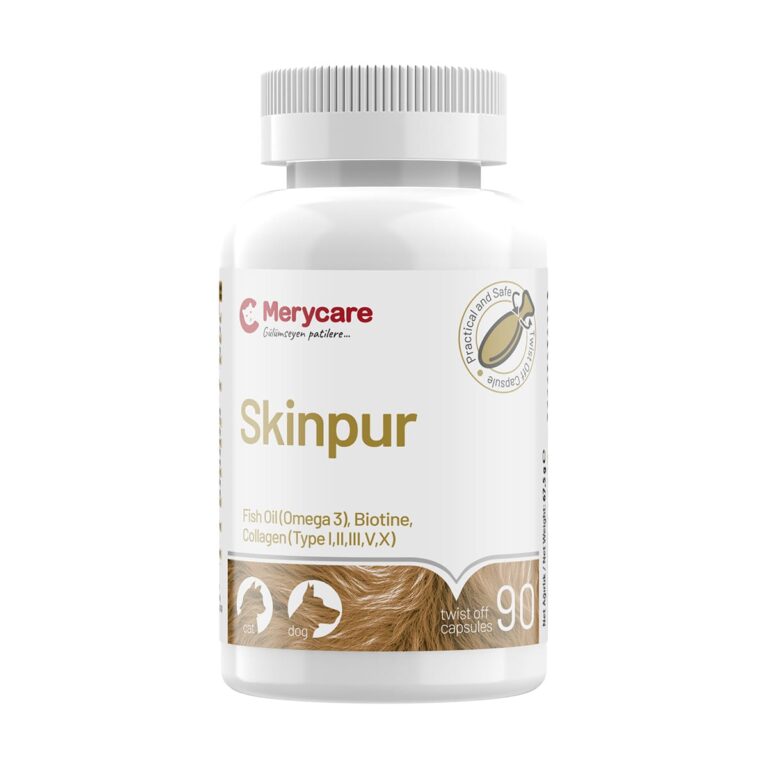
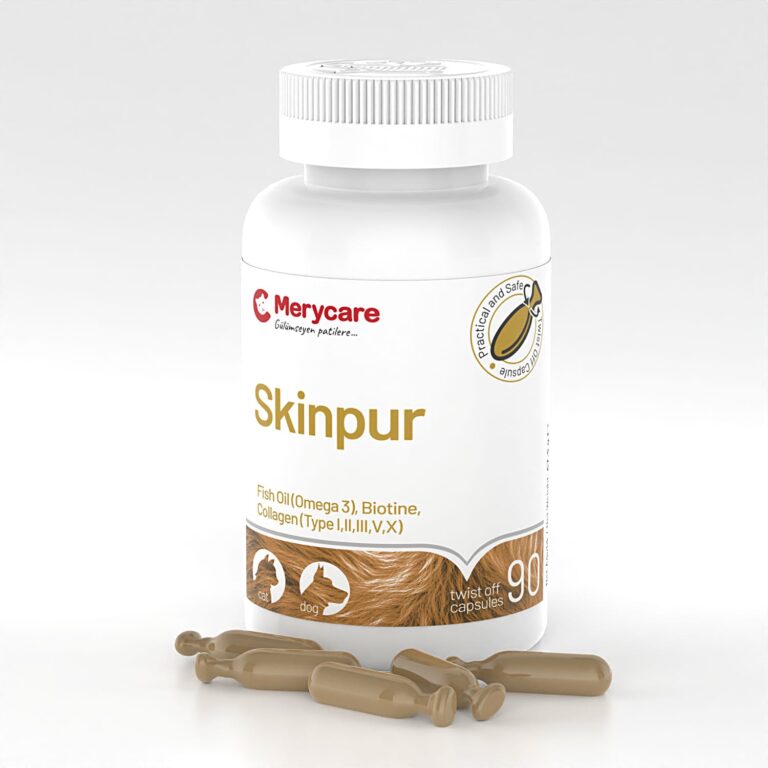
Merycare Skinpur (Merycare Coat and Skin Care Formula for Dogs)
Merycare Skinpur is a targeted pet skin and coat supplement presented in Twist-off Softgel Capsules for accurate dosage and ease of use. This formula provides comprehensive support for coat health, functioning as an effective Merycare anti-shedding vitamin blend.
Key ingredients in Skinpur include:
- Omega-3 (Fish Oil) and Lecithin: For powerful anti-inflammatory effects and antioxidant support, contributing to shiny fur and healthy skin.
- Biotin and Zinc: These are essential components for developing elastic, dandruff-free skin and supporting healthy coat development, strengthening cell membranes and enhancing epidermis renewal.
- B Vitamins: Accelerate the skin’s natural renewal process and ensure healthy sebaceous gland function.
Merycare Probiotic Dyra (Merycare Pet Hair Loss Supplement)
Merycare Probiotic Dyra is a symbiotic formulation (probiotics + inulin/prebiotics) designed to improve gastrointestinal balance. For pets suffering from hair loss linked to nutritional absorption issues or skin allergies driven by gut dysbiosis, Probiotic Dyra acts as an indirect Merycare pet hair loss supplement. By improving the digestive system's balance, it enhances nutrient uptake, which supports overall skin and coat quality. This product has been shown in studies to reduce hair loss by 30% in four weeks when used correctly. The dose suggested is one sachet daily for dogs up to 20 kg.
FAQs
“What is the best vitamin for dog hair growth?”
The best vitamin for dog hair growth is Biotin (Vitamin B7). Biotin is essential for healthy keratin production and helps prevent hair from becoming brittle and dull. It is often combined with other B vitamins and Zinc for maximum efficacy in a dog shedding control supplement.
“Can supplements help with my cat’s fur shedding?”
Yes, cat hair loss supplements can help, especially if the shedding is caused by dryness, poor coat quality, or lack of essential nutrients. Supplements rich in Omega-3 fatty acids and Biotin, such as Merycare Skinpur, contribute to the formation of shiny hair and healthy skin in both cats and dogs.
“How long does it take for hair loss supplements to work in dogs?”
Results are not immediate. While some early improvements in skin hydration and reduction in inflammation may be noticeable, generally, tangible results regarding hair regrowth and reduced shedding appear after four to eight weeks of consistent use, coupled with a balanced diet.
“Are pet hair loss supplements safe for daily use?”
Generally, safe supplement for pets that are categorized as complementary feeds (like Merycare’s products) are safe for daily, extended use when administered at the recommended dosage. However, because improper dosing of certain ingredients (like Zinc) can be harmful, and to rule out serious underlying illnesses, they should ideally be used after consulting a veterinarian.
“Do omega-3s help reduce pet shedding?”
Yes, omega-3s help reduce pet shedding significantly. They function as powerful anti-inflammatory agents, mitigating skin irritation and allergies which often cause excessive licking and hair loss. Furthermore, they improve the structural integrity and moisture of the coat, making the hair less prone to breakage.
“How to choose the right hair loss supplement for my dog?”
To choose the right anti hair loss supplement for pets, you must first visit a veterinarian to diagnose the exact cause of hair loss. If a nutritional deficiency is confirmed, look for high-quality natural pet supplements that contain a strong foundation of Omega-3s (EPA/DHA), Biotin, and Zinc. Always check the manufacturer's credentials and ensure the product details (like dosage) are transparent. Products labelled as vet-recommended supplements for hair loss provide an extra layer of assurance.