


Category Description
Anemia Treatment for Dogs & Cats — Merycare Blood Health Support
Anemia, a common clinical finding in small animal practice, is defined as a reduction in the number of circulating red blood cells (RBCs), hemoglobin (Hb), or both. This is not a specific disease itself, but rather the manifestation of an underlying health problem. Because RBCs are critical for carrying oxygen to every cell in the body, low levels can lead to severe physiological consequences. Finding the appropriate anemia treatment for cats or dogs requires a precise diagnosis of the underlying cause, often supplemented with a dedicated pet blood booster supplement or a specific iron supplement for dogs to aid recovery.
Understanding Anemia in Pets
Anemia severely limits the body’s oxygen delivery to cells and tissues. Red blood cells are produced in the bone marrow, circulate for approximately three months, and are then removed and recycled. Anemia occurs when this balance is disrupted by decreased production, accelerated destruction (lysis), or increased loss (hemorrhage).
Diagnosis relies on blood tests, primarily the packed cell volume (PCV), also known as the hematocrit (HCT). In a healthy dog, 35% to 55% of the blood volume consists of red blood cells; a PCV below 35% generally indicates anemia in dogs. Other indicators include the red blood cell count and the hemoglobin count.
The underlying mechanism is often categorized by whether the bone marrow responds by producing increased numbers of new, immature red blood cells (reticulocytes), which indicates a responsive (regenerative) anemia. If the bone marrow does not respond appropriately, the condition is classified as unresponsive or nonregenerative anemia.
Common Causes and Symptoms of Pet Anemia
Recognizing the symptoms of anemia in pets and investigating the causes of anemia in dogs are the first steps toward effective treatment.
Symptoms of Anemia in Pets
The most easily observed sign of anemia is a loss of the normal pink color of the gums, which may appear pale pink to white. Animals with low RBC counts also frequently suffer from a lack of stamina or energy, appearing listless or tiring easily, and may collapse with exertion. Other potential signs include weight loss, labored breathing, a faster heart rate, and loss of appetite.
Causes of Anemia in Dogs and Cats
Anemia can occur in three primary ways:
- Loss of Red Blood Cells (Blood Loss): This may be obvious, such as following trauma or injury to blood vessels. However, blood can also be lost in less obvious ways through the urogenital system or bowel. Chronic external blood loss is the most common cause of Iron Deficiency Anemia (IDA) in dogs and cats. Causes of chronic blood loss include tumors (in the intestinal tract, bladder, or spleen), heavy infestations of blood-sucking parasites (fleas, ticks, and hookworms), and diseases that prevent proper blood clotting. In puppies, iron deficiency is sometimes seen due to severe hookworm infections or very poor diets.
- Destruction of Red Blood Cells (Hemolysis): The destruction, or lysis, of red blood cells within the bloodstream can be caused by various factors.
- Immune-Mediated Hemolytic Anemia (IMHA/AIHA) is one of the most common autoimmune diseases in dogs. This occurs when the immune system targets and destroys the pet's own red blood cells.
- Toxins/Chemicals such as zinc (found in some bird cages and household metals) or lead (common in older household paint) can cause red blood cells to rupture.
- Infectious Agents like blood parasites (e.g., Babesia in dogs or Mycoplasma haemofelis in cats) can cause infectious hemolytic anemia.
- Decreased Production of Red Blood Cells (Bone Marrow Suppression): This is often characterized as nonregenerative anemia.
- Anemia of Inflammatory Disease (AID): Also referred to as "anaemia of chronic disease (ACD)," AID is one of the most common causes of anemia in routine veterinary practice in dogs and cats. It is typically associated with various chronic disorders, including infectious, inflammatory, immune-mediated, and neoplastic diseases. In dogs, AID was the second most frequent cause of anemia (28.5%) after cancer-related anemia (33.1%) in one report. AID is generally non-regenerative and mild to moderate.
- Chronic Organ Disease: Severe or chronic diseases, such as chronic kidney or liver disease, can suppress bone marrow function. Chronic renal disease in cats commonly leads to non-regenerative anemia due to decreased renal erythropoietin (EPO) synthesis.
- Nutritional Deficiencies or very poor nutrition may cause decreased RBC production.
How Natural Supplements Help with Anemia Recovery
Supportive care, involving the proper nutrition for anemic pets, is crucial, particularly when managing deficiencies or chronic diseases like AID.
Essential Distinction: IDA vs. AID
When dealing with iron deficiency in pets, it is vital to distinguish between true nutritional IDA and AID, as iron supplementation is generally harmful in AID.
- Iron Deficiency Anemia (IDA): Characterized by hypoferremia (low serum iron) and, critically, decreased total body iron storage. IDA occurs only after tissue iron stores have been depleted due to chronic blood loss or severely inadequate intake.
- Anemia of Inflammatory Disease (AID): Also characterized by hypoferremia, but total body iron storage is normal or even increased. This is a "functional iron deficiency" because inflammatory cytokines (like IL-6) induce hepcidin production, which blocks the release of iron from storage into the circulation where it is needed for hemoglobin synthesis. The physiological role of AID is thought to be part of the normal immune response to limit microbial access to iron.
For true IDA, iron supplement for dogs is essential, as iron is required for haemoglobin synthesis. Oral ferrous sulfate, a well-absorbed ferrous form, is typically preferred in stable patients due to its low cost and high safety profile.
Essential Vitamins and Minerals for Blood Health
Addressing specific micronutrient needs is key to boosting red blood cell production, making vitamins and minerals indispensable components of a blood-building supplement for pets.
Iron and the Bone Marrow Response
Iron's primary function is oxygen transport in hemoglobin. When iron is deficient, hemoglobin synthesis is severely hampered, leading to hypochromasia and microcytosis (small, pale RBCs). The resulting anemia is often nonregenerative or inadequately regenerative because the supply of iron for hemoglobin synthesis in the bone marrow is reduced.
The Importance of Vitamin B12 and Folate
Cobalamin (Vitamin B12) is a water-soluble vitamin mainly obtained from food of animal origin. It is an essential cofactor for two crucial intracellular enzymes: methionine synthase and methylmalonyl-CoA mutase.
A deficiency in Cobalamin, often resulting from chronic gastrointestinal (GI) disease (Chronic Inflammatory Enteropathies (CIE) or Exocrine Pancreatic Insufficiency (EPI)) or hereditary defects, has significant hematological implications.
- Impact on Blood Cells: Cobalamin deficiency leads to nonregenerative anemia characterized by megaloblastosis (abnormally large, immature red blood cells), neutropenia, and hypersegmented neutrophils.
- Clinical Relevance: Hypocobalaminemia (subnormal serum B12) is common in dogs with EPI (55% to 82% of cases). In dogs with CIE, hypocobalaminemia prevalence ranges from 19% to 38%. Low serum cobalamin concentration is a negative prognostic factor in both EPI and CIE, underlining the importance of supplementation.
- Diagnosis of Deficiency: Measurement of serum B12 is routine. To accurately determine cellular B12 deficiency (which may not be reflected solely by serum levels), markers like Homocysteine (HCY) and Methylmalonic Acid (MMA) are used. B12 deficiency leads to increased HCY and MMA concentrations.
- Folate and B6: These vitamins are necessary cofactors along with B12 for the enzyme methionine synthase. A deficiency in cellular B12 (or Folate/B6) can result in hyperhomocysteinemia.
Supplementation with vitamins for cat anemia or dog anemia, such as B12, is essential when a subnormal status is identified.
Why Choose Merycare for Anemia Treatment
While the source material provides detailed scientific context regarding the types of anemia and the essential role of iron, B12, and other B vitamins in hematopoiesis and recovery, it does not contain specific information about proprietary Merycare appetite stimulant products. However, effective Merycare blood health support or a clinically tested anemia support formula must address the recognized nutritional and metabolic needs of anemic pets identified in the veterinary literature: iron and B vitamin deficiencies.
A comprehensive natural blood booster for pets like the purported Merycare anemia treatment should provide:
- Targeted Iron Support: Essential for dogs diagnosed with chronic blood loss and low body iron stores (IDA). The inclusion of a safe iron supplement for dogs requires careful dosing since excess iron is toxic.
- Vitamin B12 Supplementation: Critically important for nonregenerative anemias associated with GI disease (CIE, EPI) or hereditary defects. Supplements providing highly bioavailable B12 would function as a necessary vitamin B12 supplement for dogs and cats, aiding mucosal regeneration and cellular metabolism.
- Broad B-Vitamin Complex: Including folate and other B vitamins to support HCY metabolism and ensure proper red blood cell production.
A best supplement for dog anemia or cat anemia, when used alongside veterinary-prescribed treatment, ensures that the pet’s system has the basic resources required for accelerated red blood cell production and overcoming nutritional deficits, which is particularly vital for managing chronic conditions associated with inflammation or malabsorption.
Vet-Recommended Routine for Anemic Pets
Anemia is a clinical symptom requiring an underlying diagnosis. A vet-recommended anemia supplement regimen is only effective when integrated into a full therapeutic plan.
Emergency Management (Transfusion)
If anemia is severe or life-threatening, a blood transfusion may be needed to stabilize the pet and increase oxygen-carrying capacity. Transfusion is crucial when the animal demonstrates clinical signs of hypoxemia. In dogs, clinical studies indicated that most transfusions occurred when the hemoglobin concentration was typically <5.8 g/dL and the hematocrit was <17%. A dog's clinical state, assessed by signs like elevated heart rate, elevated respiratory rate, and pallor, is important in the decision to transfuse.
Primary Disease Treatment
The most important step in anemia treatment for cats and dogs is to treat the underlying disease triggering the condition, such as inflammation, infection, or chronic blood loss. Treating the underlying cause of inflammation is the recommended therapeutic approach for AID. Specific treatments include:
- Parasite Management: Anthelmintics (de-worming medications like pyrantel or fenbendazole) can treat internal parasites.
- Infectious Anemia: For Mycoplasma haemofelis in cats, doxycycline treatment is recommended first, and if bacteremia persists or recurs, marbofloxacin should be used consecutively to clear the infection.
- Autoimmune Disease: Immunosuppressants, such as corticosteroids (prednisolone), are the mainstay of treatment for IMHA in dogs.
- Surgery: May be required to address tumors or trauma.
Management of CKD Anemia in Cats
Anemia associated with Chronic Kidney Disease (CKD) in cats develops in up to 65% of cases. Because this anemia is primarily due to inadequate renal EPO production, treatment focuses on stimulating red blood cell production (how to increase red blood cells in cats).
Traditional agents, such as recombinant human erythropoietin (r-HuEPO), can increase hematocrits in CKD cats, leading to improved appetite and energy. However, r-HuEPO may cause complications, notably the production of anti-r-HuEPO antibodies and a severe condition called Pure Red Cell Aplasia (PRCA). Recent advancements include Adeno-associated virus (AAV)-based gene therapy (SB-001) that expresses feline EPO; studies show this can successfully induce erythropoiesis in most elderly cats with CKD-associated anemia. Following the use of Erythropoiesis-stimulating agents (ESAs), iron deficiency is anticipated due to the increased demand for iron, requiring concurrent iron therapy.
FAQs on Anemia in Dogs and Cats
How is anemia due to parasites in dogs treated?
If the anemia is caused by blood-sucking parasites (ectoparasitism, endoparasitism), the treatment requires de-worming medications (anthelmintics) alongside supplemental iron therapy if chronic blood loss has led to iron deficiency.
How to treat anemia in dogs naturally?
The term how to treat anemia in dogs naturally often refers to addressing the underlying nutritional deficiencies. Since anemia frequently results from decreased RBC production due to underlying chronic disease or malabsorption, treatment requires correcting essential nutrient deficiencies, specifically iron (for IDA) and Cobalamin (Vitamin B12) (for GI disease/EPI). B12 supplementation can be administered orally (50 μg/kg PO daily), which is non-invasive. However, life-threatening anemias require medical intervention and often blood transfusions.
What is the typical anemia recovery time in dogs?
The anemia recovery time in dogs depends entirely on the underlying cause. For nutritional deficiencies, while serum B12 levels may normalize quickly, restoring body iron stores after IDA may take several months, requiring continued supplementation. For IMHA, most deaths occur in the first 2 weeks after diagnosis. Long-term prognosis is based on the specific diagnosis and the dog's condition at the time of diagnosis.
Why is B12 (Cobalamin) supplementation crucial for GI issues?
Cobalamin deficiency is a common complication of chronic gastrointestinal diseases like EPI (Exocrine Pancreatic Insufficiency) and CIE (Chronic Inflammatory Enteropathies). In dogs, the exocrine pancreas is the major site of intrinsic factor (IF) synthesis, which is needed for B12 absorption; thus, EPI leads to B12 malabsorption. B12 is essential for cellular metabolism and mucosal regeneration, meaning deficiency can impair the animal’s ability to respond to treatment for the underlying GI disease.
Shop Merycare Blood Health Products
For proactive management of nutritional factors associated with anemia or during recovery from serious disease, utilizing a high-quality pet blood booster supplement is recommended.
When selecting a Merycare blood health support product, pet owners should seek a vet-recommended anemia supplement that contains:
- Iron: Essential for the synthesis of hemoglobin in cases of true IDA.
- Vitamin B12 (Cobalamin): Crucial for promoting how to increase red blood cells in cats and dogs, especially those suffering from malabsorption due to GI issues.
Ensure any supplement is used in conjunction with a precise diagnosis from a veterinarian, as administering an iron supplement for dogs or cats when they have AID (Anemia of Inflammatory Disease) can be detrimental due to the risk of iron overload. Merycare products should aim to provide comprehensive and high-bioavailability support to meet the complex metabolic demands of anemia treatment for cats and dogs.
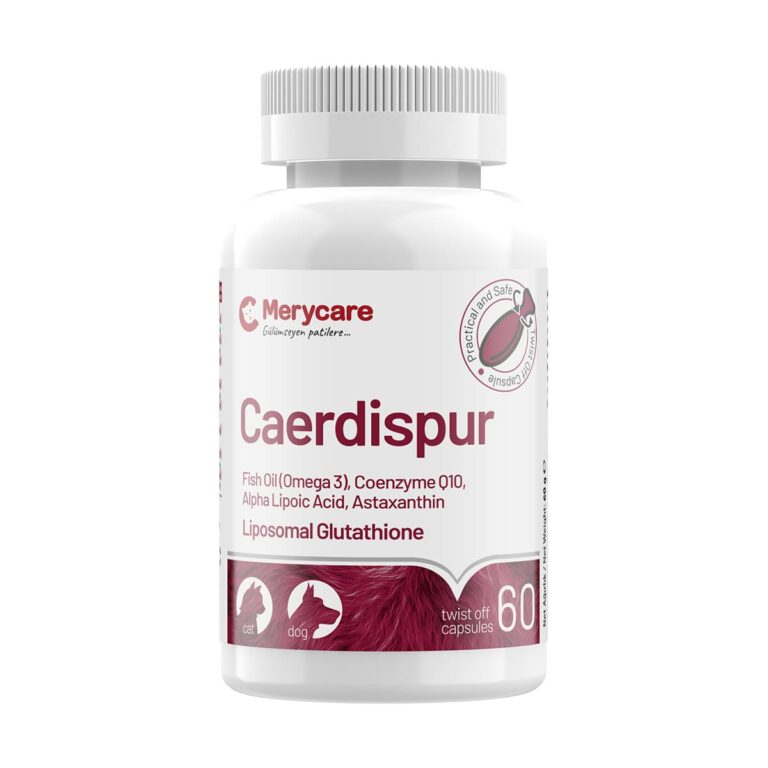
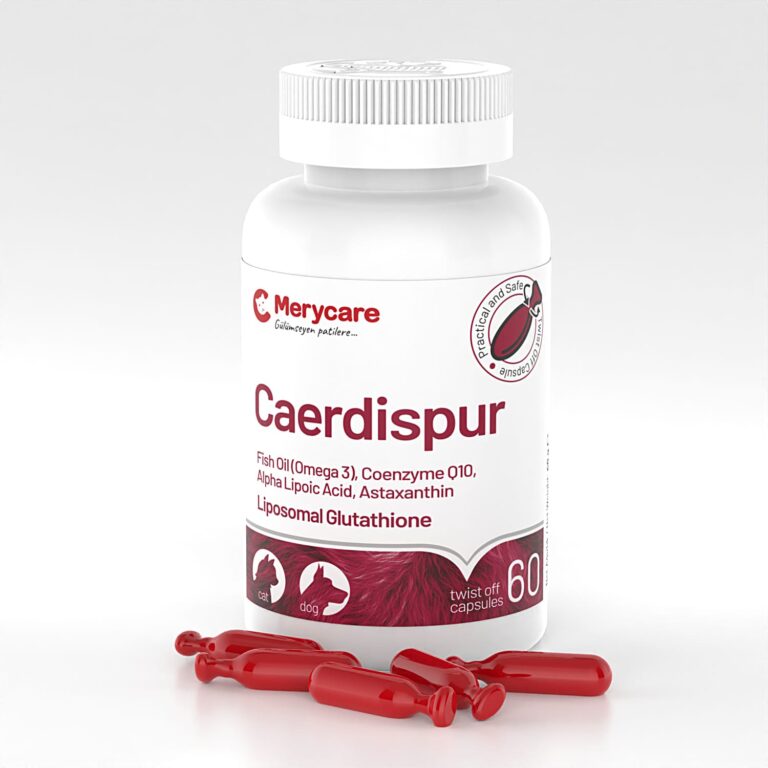
Merycare FerroPur – Advanced Iron, Blood-Building & Vitality Support for Pets
Merycare FerroPur™ is a targeted iron-support supplement designed to promote healthy red blood cell formation, boost energy, and support optimal oxygen transport. Ideal for pets with iron deficiency, anemia risk, recovery needs, or overall fatigue. Formulated with bioavailable iron and essential cofactors. Vet-reviewed and safe for daily use when needed.