

Category Description
Stress & Anxiety Relief for Dogs & Cats — Merycare Calming Support
Anxiety disorders, fears, and phobias are among the most common behavioral issues encountered by pet owners and veterinarians. When a pet displays anxiety, it causes distress not only for the animal but also for its human family, potentially weakening the human-animal bond. Addressing chronic stress requires a comprehensive strategy often involving environmental management, behavioral modification, and targeted nutritional support, such as a high-quality pet calming supplement or Merycare stress relief for pets.
Understanding Stress and Anxiety in Pets
Anxiety is considered a significant psychological disorder in dogs. It occurs when an environmental stimulus is incorrectly perceived as dangerous or threatening. This state becomes pathological when it is prolonged or happens without environmental conditions that justify the response. This diminished quality of life for affected dogs represents an important animal welfare concern.
A recent survey of Finnish dog owners indicated that over 70% of all dogs had one or more anxiety disorders. The resulting anxious episodes can be debilitating. Any intervention designed to reduce anxious responses should, therefore, be welcomed.
Common Causes and Symptoms of Anxiety in Dogs and Cats
Causes of anxiety in pets are numerous and varied, ranging from specific phobias to generalized distress related to their environment or relationship dynamics.
Causes of Anxiety in Pets
Frequent anxiety-related disorders include generalized anxiety, fears, phobias, obsessive–compulsive disorders, and, critically, separation anxiety in dogs.
- Noise Aversion: Increased reactivity toward loud noises, such as fireworks and thunderstorms, is highly common. Noise sensitivity was reported as the most common anxiety-related trait in a survey of Finnish dogs, with a prevalence of 32%. Thunderstorm anxiety treatment for pets is a specific area where owners frequently seek quick, effective solutions.
- Separation Anxiety: This involves distress when a pet is absent from an attachment figure. The most common resulting behaviors are destruction of property and excessive vocalization (whining and barking). Other signs include inappropriate elimination, pacing, salivation, attempts to escape, and excessive excitement when the owner returns. Dogs obtained from animal shelters or those that are found, as well as male dogs, are often found to be more predisposed to separation-related problems.
- Environmental Changes: Anxiety can be triggered or exacerbated by changes in the household, such as a new resident, a job change, or sudden changes in the owner’s routine. Travel anxiety relief for dogs is often sought for stressful situations like car rides or vet visits.
Signs of Stress in Dogs and Cats
Owners must be vigilant in recognizing the signs of stress in dogs and cats. Behavioral manifestations of anxiety can include excessive vocalization, destructive behavior, restlessness, escape attempts, inappropriate defecation and urination, and hyper-salivation. In the veterinary setting, stress signs may include hiding, pacing, panting, body shaking, whining, and flattened ears.
How Calming Supplements Support Relaxation
Treatment for anxiety generally encompasses three categories: management, modification (behavioral training), and medication, which includes pharmaceuticals and adjunctive treatments like supplements and pheromones. These adjunctive treatments can successfully decrease the intensity of the emotional state motivating the unwanted behavior, allowing the pet to better respond and learn new, desirable behaviors.
For severe fear or anxiety, prescription medications, such as fluoxetine (Prozac™) or clomipramine, are considered the most effective treatments for changing brain chemistry for a lasting effect on anxiety.
However, for pets with mild-to- moderate anxiety, or as an initial dog anxiety treatment supplement alongside behavior modification, supplements provide alternatives that generally have fewer side effects and are often considered safe for use with many existing drugs or disease processes.
Deep Pressure and Relaxation Support
Moderate-to-deep pressure is an alternative method used in animals to reduce anxiety. The use of compression wraps (e.g., ThunderShirt) provides gentle, constant pressure on a dog’s torso, which may influence reticular formation activity and vagal tone, thereby reducing the stress response.
Studies evaluating these wraps suggest they may produce short-term reductions in a physiological marker of stress (e.g., heart rate) or an improvement in anxiety symptoms. For instance, dogs wearing a tightly fitted pressure wrap showed a lower elevation in average heart rate following isolation compared to controls. An advantage of pressure wraps is the lack of reported side effects associated with their use. However, confidence in their effectiveness is low due to moderate-to-high risks of bias, relying heavily on owner reports (which may be skewed by placebo effects), and short duration of anxiety-inducing stimuli in experimental settings.
Key Natural Ingredients That Help Calm Pets
The use of natural remedies for pet anxiety is widely proposed in Western countries. These supplements function as a natural anti-anxiety for cats or dogs by regulating neurotransmitters, improving gut health, or supplying calming compounds.
Nutraceuticals and Herbal Extracts
Calming herbs for dogs and proprietary formulas often combine several active ingredients for a synergistic effect.
- L-Theanine: This amino acid, commonly found in green tea, is one of the best-studied and most effective behavioral supplements. It is a structural analogue of glutamate that binds to glutamate receptors, countering the stimulatory effect of this excitatory neurotransmitter in the brain. In humans, it promotes mental and physical relaxation. L-theanine supplements, like Anxitane™, can be used for acute stress (such as vet visits) or long-term anxiety. Clinical trials have pointed up the value of L-theanine supplementation to mitigate symptoms of anxiety in cats.
- Milk Proteins (Alpha-casozepine): These are calming compounds derived from milk (casein/whey extract). Zylkene™ is a supplement brand containing alpha-casozepine that has a documented anti-anxiety effect without side effects.
- Botanical Extracts: Ingredients used for herbal stress relief for dogs often include combinations of plants. For example, some products combine Magnolia officinalis and Phellodendron amurense. The nutraceutical DìRelaxTM contains a blend of Escholtzia, Hops, Whitania, and Passiflora, which share anxiolytic properties.
- Tryptophan: An essential amino acid that is a precursor to the neurotransmitter serotonin. Increasing serotonin levels means less anxiety, similar to how SSRI drugs work.
- Melatonin: This hormone regulates the sleep/wake cycle and is useful for managing mild stress.
The Gut-Brain Axis (Probiotics)
There is a direct connection between the gut and the brain, and improving the health of the microbiome can improve brain function. Probiotic supplements, such as Purina Pro Plan Calming Care (containing Bifidobacterium longum BL999 strain), are specifically designed to support the dog's digestive system and neutralize stress hormones. One clinical trial showed that Probiotics helped about 60% of dogs with anxiety.
Why Choose Merycare Calming Support for Stress Relief
A reliable vet-recommended calming supplement focuses on using quality, research-backed ingredients while ensuring safety. Although specific Merycare calmative formula products are not detailed in the provided sources, a hypothetical product designed for Merycare stress relief for pets would prioritize the delivery of clinically recognized ingredients demonstrated to support neurological and cognitive health.
The importance of using a safe natural anti-anxiety for pets is underscored by the findings that most over-the-counter anti-anxiety products often lack testing for safety or efficacy, and are sometimes contaminated or useless. A product aligned with veterinary standards, much like the clinically tested calming formula DìRelaxTM, demonstrated safety in its use; hematological and biochemical analyses showed no statistical difference and no adverse effects on the treated dogs. Furthermore, DìRelaxTM showed an ameliorative effect on anxious dogs by enhancing their cognitive abilities, resulting in a significant decrease in the time needed to solve a solvable task. This supports the premise that nutritional intervention can facilitate mental performance during stressful periods.
Choosing a comprehensive supplement that combines several ingredients (like L-theanine, anti-anxiety herbs, and supportive fatty acids like Krill oil) offers a multi-directional approach to managing complex anxiety, which typically yields better results than monotherapy.
Vet-Recommended Routine for Anxious Pets
A vet-recommended routine for anxious pets requires addressing the issue through management, behavioral modification, and, when necessary, medication.
How to train an anxious pet
- Rule out Medical Issues: Before dispensing any behavioral drugs or supplements, veterinarians should perform a physical examination and collect a minimum database (CBC, chemistry panel, thyroid checks, etc.) to rule out underlying medical problems that might be causing or contributing to the anxiety.
- Management and Prevention: This is an irreplaceable component of all treatment plans. Owners must avoid situations that incite undesirable behavior and prevent the pet from rehearsing it. For instance, for thunderstorm anxiety treatment for pets, calming aids should be planned for and administered about two hours before the predictable noise event occurs.
- Behavior Modification: Humane techniques focus on developing the pet's coping skills and cultivating a positive conditioned emotional response to triggers.
- Avoid Punishment: Positive punishment (e.g., choke/prong collars) is likely to lead to fear, avoidance, and increased aggression, and should be avoided. Punishment upon the owner's return is ineffective as it is not temporally contingent on the problem behavior.
- Desensitization and Counterconditioning: These are highly successful behavioral techniques. Systematic desensitization involves gradually increasing the intensity of the feared stimulus (e.g., exposure to very short periods of owner absence for separation anxiety in dogs). Counterconditioning pairs the aversive stimulus with something emotionally positive (like a high-value food reward), ensuring the dog associates the anxiety-provoking stimulus with pleasure.
- Adjunctive Therapies: Use pet calming supplement products or pheromones (e.g., Adaptil collars for anxiety management for rescue pets) to decrease the intensity of fear, making the pet more receptive to learning. Combining treatments, such as a calming chew with pheromone spray, is often suggested to find what works best.
FAQs on Pet Stress and Calming Supplements
What is the role of pheromones in stress relief for dogs and cats?
Pheromones are natural chemical substances secreted by glands that cause an emotional or physiologic response in the same species. Dog Appeasing Pheromone (DAP, e.g., Adaptil™) mimics the pheromones produced by a nursing mother dog, calming and reassuring puppies and reducing fear behaviors like separation anxiety and noise aversions. Feliway™ is the feline equivalent, mimicking the facial pheromone that cats rub on objects to feel familiar and safe. Pheromones are safe, drug-free, and have no reported toxicity or side effects.
Do calming vests actually work for anxiety?
Pressure wraps, like the ThunderShirt, operate on the principle of deep pressure touch to reduce tension and anxiety. While studies showed they are associated with short-term reductions in heart rate or improvements in anxiety symptoms, the evidence is weak and limited. However, a significant advantage is the lack of reported adverse side effects. The efficacy appears enhanced when the wrap is fitted tightly.
How long does it take for a dog anxiety treatment supplement to show effect?
The duration of effect varies by product. Fast-acting supplements, like those containing L-theanine (e.g., VetriScience Composure), may be effective within 30 minutes and last for several hours. Probiotic supplements (e.g., Purina Pro Plan Calming Care) that work on the gut-brain axis take much longer, potentially up to six weeks, before observable effects are seen.
Shop Merycare Calming & Relaxation Products
For owners seeking robust relaxation support for cats and dogs, Merycare encourages a science-based, multi-modal strategy for anxiety management. By combining proven behavioral modification techniques with targeted nutritional supplements, pet owners can achieve lasting stress relief for dogs and cats. Products formulated for Merycare calmative formula support would focus on ingredients like L-Theanine and essential vitamins to enhance cognitive function during stress, facilitating effective training and long-term behavioral improvement, without the risk of adverse side effects.
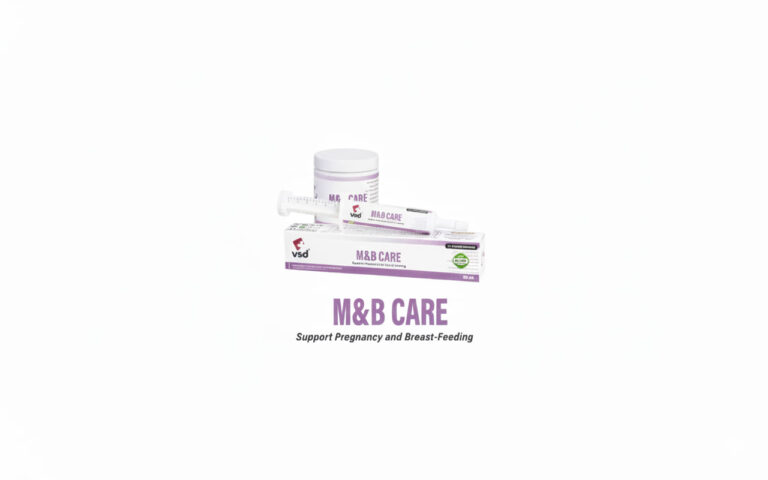
M&B Care for Pets: Vet-Developed Wellness & Recovery Support
VSD M&B CARE Plus supports dogs and cats throughout pregnancy and breastfeeding. Meets increased nutritional needs, boosts milk production, and supports neurological development. Veterinary Recommended.
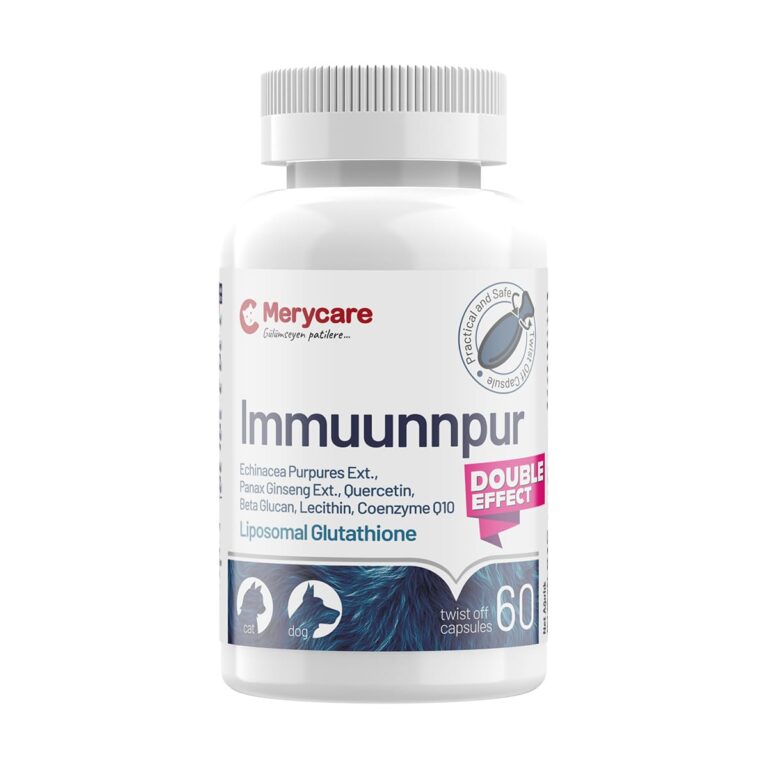
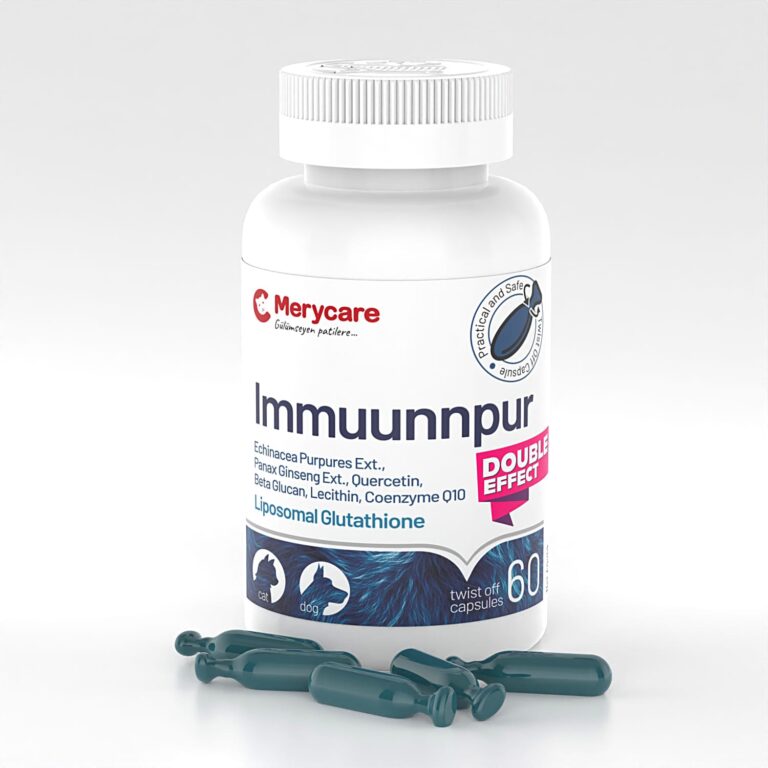
Merycare ImmuunPur™ – Advanced Immune, Antioxidant & Wellness Support for Pets
Merycare ImmuunPur™ is a premium immune-support supplement designed to strengthen natural defenses, boost vitality, and promote overall wellness. Formulated with antioxidants, essential nutrients, and targeted immune-balancing compounds. Ideal for pets with weak immunity, seasonal challenges, stress, or recovery needs. Vet-reviewed and suitable for daily use.
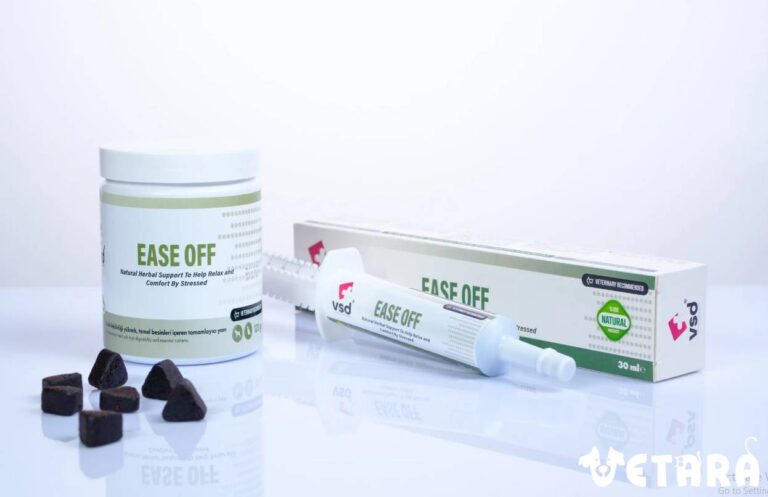
VSD Ease Off for Pets: Natural Calm & Relaxation Support
VSD’s Ease Off for Pets is a vet-developed herbal supplement to help dogs & cats stay calm during stress, travel, or grooming. Part of the full VSD wellness range.